


Strength Training
Lab-tested Ratings for Strength Training Nutrition: Whey Protein, Creatine and Protein Bars for training, along with Electrolytes and Multivitamin for daily recovery.
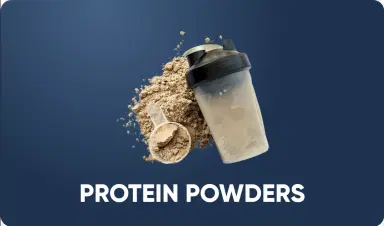
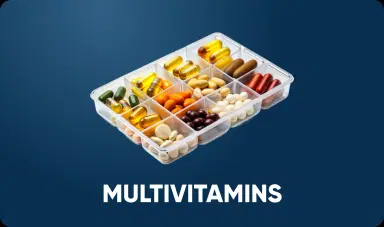
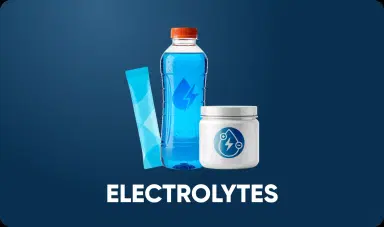
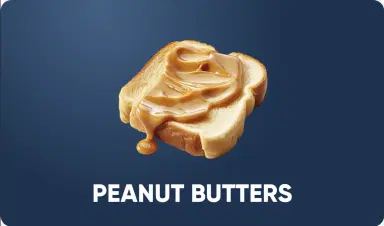

Know Before You Choose
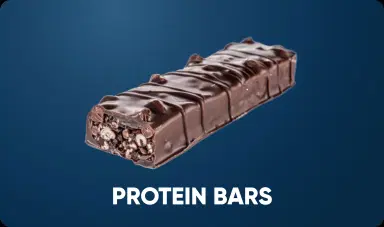
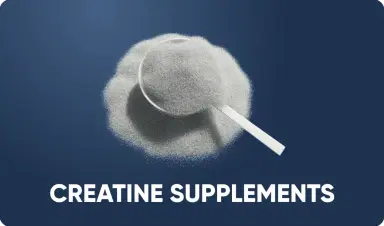
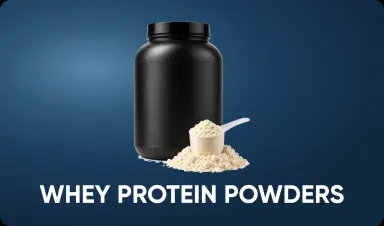
This Strength Training page brings together products across the following 8 categories: Protein Powders, Multivitamins, Electrolytes, Peanut Butters, Protein Bars, Protein Milkshakes, Creatine Supplements, Whey Protein Powders.
These categories are linked together here because they are commonly associated with Strength Training. Every category here may not carry the same weight of established research.
Unbox Health independently tests what is inside every product for label accuracy, safety and nutritional composition. Our lab data verifies what a product contains, while the strength of evidence for its potential health benefits may vary.
Explore More Product Ratings

Which supplements like Creatine and Whey Protein actually build strength?

Only two categories have consistent evidence behind them: Creatine, which supports repeated high-intensity efforts, and Protein, which supplies the amino acids for repair. Everything else here plays a supporting role. Peanut Butters and Protein Bars mainly help you hit daily calorie and protein targets. A Multivitamin covers gaps rather than adding strength. Training load remains the factor that actually drives progress.
Should I take Protein or Creatine first as a beginner?
Protein first, in most cases. It addresses a gap you may actually have, since ICMR-NIN's protein allowance is set for the general population rather than for people training hard. Creatine works, but its benefit shows up once training is consistent enough to push hard sessions. Adding one at a time also makes the effect readable. Compare declared protein per scoop against lab-tested results on Unbox Health before your first purchase.
Can I take Whey Protein and Creatine in the same shake?
Yes, and mixing them is common practice. The two work through separate mechanisms with no established interaction between them. Creatine is commonly used at around 3 to 5 grams daily in sports nutrition literature, though ICMR-NIN has no formal position on creatine since it is not an essential nutrient. Anyone with reduced kidney function should get individual guidance before combining concentrated protein with creatine.
Can Indian vegetarians get enough protein for strength training?
Yes, though it takes planning. Dal, rajma, paneer, curd and soy can meet ICMR-NIN's protein targets, but vegetarian Indian diets are typically cereal-heavy, which makes hitting higher training-level intakes harder by volume alone. Combining pulses with cereals through the day improves the amino acid mix. Supplements close the remaining gap conveniently rather than being the only route.
Do you lose muscle if you stop taking protein powder?
Not if your total protein intake stays the same. Powder is a delivery format, not a distinct muscle-building compound, so replacing it with dal, eggs, paneer or curd of equivalent protein maintains the same intake. Muscle is lost when training stops or when overall protein and calories drop, which is what usually happens alongside quitting a supplement.
What are the side effects of pre workout supplements?
Jitteriness, a racing heart and disturbed sleep are the common ones, and caffeine is usually responsible. Doses vary widely between brands, and many products do not break down how much caffeine each ingredient contributes. Proprietary blends make this harder still. Anyone sensitive to caffeine or managing blood pressure should treat these with more caution than the marketing suggests.
What should you eat before going to the gym?
Something light with carbohydrate if you train hard, or nothing if fasted training suits you, since neither is clearly better for strength. A banana, toast or curd is usually enough. Large pre-workout meals tend to sit badly. Protein matters more across the whole day than in the hour before a session.
How long does it take to build muscle?
Visible change usually takes a few months of consistent training, not weeks, and beginners progress fastest. Strength improves before size does, which is why the mirror lags behind the numbers. Supplements do not compress this timeline meaningfully. Anything promising results in thirty days is selling the expectation rather than the outcome.
What should you eat after a workout to build muscle?
A normal meal with protein and carbohydrate does the job, and the urgency of the post-workout window is smaller than it is usually made out to be. Total daily protein matters more than the timing. A shake is convenient rather than superior. If a meal is due within a couple of hours, that is already fine.
Which Protein and Creatine brands actually deliver what they claim?
Declared potency and actual content do not always match, and the gap matters most in concentrated products where a small shortfall changes the real dose. Creatine purity and protein grams per scoop are the two figures worth verifying first. Compare which brands actually deliver their stated Creatine purity and protein content on Unbox Health.

Find Unbox Health ratings useful?
Add Unbox Health as a preferred source on Google to get search results based on credible lab test data.


Popular Categories:
Protein Powders |
Omega-3 Supplements |
Multivitamins |
Plant Protein Powders |
Coffee Powder |
Dark Chocolates |
Cookies & Biscuits |
Chips & Puffs |
Bread |
Ice Cream |
Magnesium Supplements |
Collagen Supplements |
Curcumin Supplements |
Electrolytes |
The Great Indian Product Hunt - Most Voted Products |
Veg Omega-3 Supplements |
Ashwagandha Supplements |
Biotin Supplements |
Breakfast Cereals |
Extra Virgin Olive Oil |
Ghee |
Iron Supplements |
Melatonin Supplements |
Moringa Supplements |
Peanut Butters |
Prebiotics & Fiber |
Protein Bars |
Protein Milkshakes |
Shilajit Supplements |
Snack Bars |
Vitamin B12 Supplements |
Vitamin C Supplements |
Vitamin D Supplements |
Zinc Supplements |
Astaxanthin |
Sea Buckthorn Oil |
Apple Cider Vinegar |
Calcium Supplements |
Creatine Supplements |
Energy Bars |
Filter Coffee |
Fish Oil Capsules |
Glutathione Supplements |
Granola |
Honey |
Hyaluronic Acid Supplements |
Instant Coffee |
Jaggery Powders |
Magnesium Glycinate |
Marine Collagen |
Muesli |
Pea Protein Powders |
Protein Bread |
Protein Chips |
Protein Oats |
Protein Wafers |
Vegan Collagen |
Virgin Coconut Oil |
Vitamin B9 Supplements |
Vitamin D3+K2 |
Vitamin K2 Supplements |
Whey Protein Powders |
Whole Wheat Bread |
Yeast Protein Powders |
Chondroitin Supplements |
Glucosamine Supplements |
Milk Thistle Supplements |
MSM Supplements |
Selenium Supplements |
Cooking Oils |
Idli & Dosa Batters |
Instant Noodles |
Paneer |
Kids Nutrition Drinks |
Berberine Supplements |
CoQ10 Supplements |
Vitamin A Supplements |
Vitamin E Supplements
Popular Brands:
Ace Blend |
As-It-Is Nutrition |
Blubein |
Blue Tokai Coffee Roasters |
Carbamide Forte |
Cosmix |
Minus Thirty |
Naturaltein |
Neulife |
Nutrabay |
OZiva |
The Whole Truth |
Unived |
Wellbeing Nutrition |
Centrum |
Gytree |
HealthifyMe |
iThrive |
Lay's |
Man Matters |
Miduty |
NutriJa |
Origin Nutrition |
Phab |
The Good Bug |
TSA Tekk |
Akshayakalpa Organic |
Epigamia |
HealthKart |
Optimum Nutrition |
Swisse |
FAST&UP |
Amway |
Boldfit |
Herbalife Nutrition |
Mojo Bar |
MuscleBlaze |
Muscle Nectar |
MYFITNESS |
Nutrela |
Pintola |
RiteBite Max Protein |
True Elements |
Unibic |
WOW Life Science |
Gentle Beast |
Yogabar |
Aashirvaad |
Albae |
Allbeing |
Alpino |
Ambrosial |
Amocare |
Amul |
Anveshan |
Apis |
Arth by Emcure |
Artinci |
Avvatar |
Bagrry's |
Baskin Robbins |
BBETTER |
Beast Life |
Bevzilla |
Beyond Snack |
Bigmuscles Nutrition |
Biotrex Nutraceuticals |
Body First |
Bold Care |
Borges |
BRITANNIA |
Cadbury |
Cipla |
Conscious Food |
Continental Malgudi |
Country Delight |
Dabur |
Dadev |
Dame Health |
Decode Age |
Del Monte |
Disano |
Doctors Choice |
Dr. Morepen |
Dr. Vaidya's |
Electral |
ElectroFizz |
End2End Nutrition |
Enerza |
English Oven |
Figaro |
Fitzzi |
Folius Labs |
Foodstrong |
Galaxy |
Genone |
Get A Way |
GNC |
GOAT Life |
Gowardhan |
Go Zero |
Grandeur |
Gritzo |
Haleup |
Happilo |
Health Aid |
Health Veda Organics |
HealthVit |
HealthyHey Nutrition |
Herbal max |
Himalaya |
Himalayan Organics |
HK Vitals |
Hohner |
HYP |
iD Fresh Food |
INJA |
Inlife |
Isopure |
Jivo |
Kapiva |
Kellogg's |
KIKIBIX |
Kwality Wall's |
La Nature's |
Lavazza |
Levista |
Lindt |
Liquid I.V. |
Little Joys |
Maggi |
Maiva |
McVities |
Milky Mist |
Mille |
Modern |
Monsoon Harvest |
Mother Dairy |
Mypro Sport Nutrition |
Nakpro Nutrition |
Nature Made |
Nature's Velvet |
Nature Valley |
Naturyz |
Nescafe |
Nestle |
Neuherbs |
Neuwganic |
NOA - Nature's Own Alchemy |
Noto |
Now Foods |
Nutrabud |
Nutrazee |
Nutriburst |
NUTRI HERBS |
NutriJet |
NutriQuint |
Nutrova |
nveda |
Open Secret |
Organic India |
Organic Tattva |
Origins Nutra |
ORSL |
OSOAA |
Parle |
Patanjali |
PAUL AND MIKE |
Plantigo |
Plix |
Pro360 |
Protein Chef |
Pure Botanics |
Pure Nutrition |
Quaker |
Rasayanam |
RAW PRESSERY |
Revital H |
Saffola |
Setu |
Sharrets |
Siens by Dabur |
Simply Herbal |
Sleepy Owl |
Slurrp Farm |
Snackible |
Solimo |
Soothys |
Sparkfusion |
Sundrop |
Sunfeast Farmlite |
Sunfeast Yippee |
Superyou |
Taali |
TATA 1MG |
Tata Simply Better |
Tata Soulfull |
The Butternut Co. |
The Health Factory |
Thorne |
Too Yumm |
Trexgenics |
TrueBasics |
TruNativ |
Two Brothers Organic Farms |
UPAKARMA |
Vedic Ghee |
VIEROOTS |
VitaOne |
Vito Daily |
VS MANI & CO. |
Weoliv |
Zama |
Zandu |
Zaveda |
Zenith Nutrition |
ZEROHARM |
Zingavita
Popular Comparisons:
Ace Blend vs FAST&UP |
Gowardhan vs Amul |
Ace Blend Plant Protein vs Cosmix |
Nutrabay vs Gentle Beast |
Neulife vs Ace Blend |
Revital H vs Centrum |
Carbamide Forte vs FAST&UP |
Carbamide Forte vs Inlife |
iThrive vs Swisse |
Naturaltein vs Allbeing |
Neulife vs Cosmix |
Phab vs Epigamia |
Sparkfusion vs Dame Health |
Blue Tokai Coffee Roasters vs Sleepy Owl |
Nescafe vs VS MANI & CO |
Britannia vs Britannia |
Cadbury vs The Whole Truth |
Open Secret vs Artinci |
Dabur vs Dr. Vaidya's |
Gytree vs La Nature's
Popular Collections:
High Protein Foods & Supplements |
Daily Vitamins & Minerals |
Trending Supplements |
Fitness & Performance Nutrition |
Snacks & Treats |
Ayurvedic & Herbal |
Kitchen Essentials |
Men's Health |
Plant-Based & Vegan |
Women's Health |
Strength Training |
Kids Nutrition |
Endurance |
Seniors' Health |
Pregnancy |
Muscle Gain |
Hair Health |
Gut Health |
Bone & Joint |
Weight Gain |
Skin Health |
Weight Loss |
Immunity |
Sleep |
Energy & Fatigue |
Brain Health |
Stress & Anxiety |
Menopause |
Anti-Ageing |
Sugar-Free |
General Wellness |
Lactose-Free |
Natural Sweeteners |
Probiotics & Prebiotics |
Cold-Pressed & Unrefined Oils
