


Plant-Based & Vegan
Lab-tested Ratings for Plant-Based & Vegan Supplements: Plant Based Protein, Vegan Protein, Vegan Collagen and Veg Omega-3.
Know Before You Choose
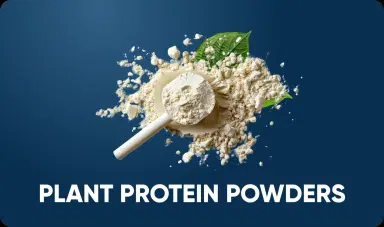
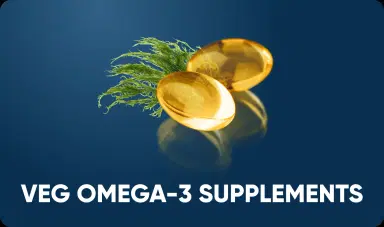
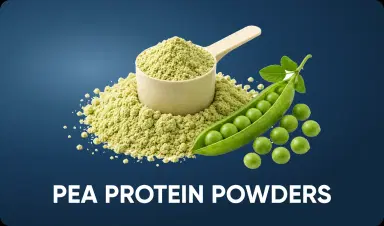
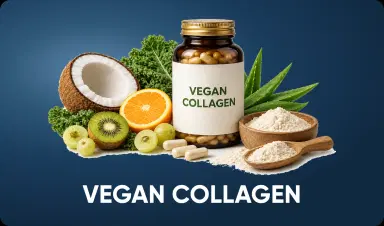
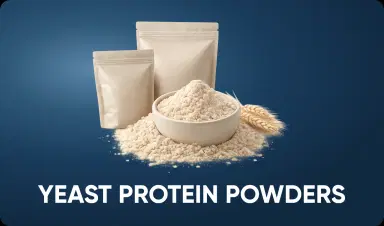
This Plant-Based & Vegan page brings together products across the following 5 categories: Plant Protein Powders, Veg Omega-3 Supplements, Pea Protein Powders, Vegan Collagen, Yeast Protein Powders.
These categories are linked together here because they are commonly associated with Plant-Based & Vegan. Every category here may not carry the same weight of established research.
Unbox Health independently tests what is inside every product for label accuracy, safety and nutritional composition. Our lab data verifies what a product contains, while the strength of evidence for its potential health benefits may vary.
Explore More Product Ratings

What makes a protein powder "vegan" rather than just "plant-based"?

"Plant-based" simply means the protein originates from plants, such as Pea or another Plant Protein source. "Vegan" additionally requires the product and its manufacturing process to avoid any animal-derived ingredient or cross-contact, including things like gelatin capsules or dairy-derived flavour enhancers. A product can be plant-based without carrying strict vegan certification. Check the actual certification mark, not just the word "plant-based" on the front label.
Which dal has the most protein?
Most Indian dals sit in a similar band once cooked, so the practical answer is that no single one changes your day much. Soya, rajma and chana carry more than the lighter dals. Combining dal with rice or roti covers the amino acids each lacks, which matters more than picking a winner from the list.
Which foods are richest in iron for vegetarians?
Ragi, bajra, dark leafy greens, dates, rajma and chana are the usual sources, though plant iron absorbs less efficiently than iron from animal foods. Pairing them with a vitamin C source at the same meal helps considerably. Tea and coffee with meals work against it. Quantity alone does not settle whether you are actually absorbing enough.
Is Nutritional Yeast a reliable Vitamin B12 source for vegans?
Only if it's specifically fortified. Yeast does not naturally produce meaningful Vitamin B12, since B12 is made biologically by bacteria, not yeast, so unfortified Nutritional Yeast contributes little to none. Fortified versions state this clearly on the label. Anyone relying on Nutritional Yeast to help meet B12 needs should confirm fortification on the specific product rather than assuming any Nutritional Yeast qualifies by default.
What are the best vegetarian sources of Omega-3?
Flaxseed, chia, walnuts and mustard oil supply ALA, which the body converts to EPA and DHA at a low and variable rate. Algal oil supplies EPA and DHA directly, which is why vegetarian supplements increasingly use it. ICMR-NIN treats omega-3 as an essential nutrient, and the conversion limit is why plant sources alone may not be enough.
Where do vegetarians in India get Vitamin B12?
Dairy is the main natural source in an Indian vegetarian diet, and vegans have effectively none without fortified foods or a supplement. B12 is not made by plants, which is why it is the one nutrient where a supplement is routinely advised rather than optional. A blood test tells you where you actually stand before you buy anything.
How do vegans get enough calcium without dairy?
Ragi, sesame, almonds, tofu set with calcium salts, and fortified plant milks are the usual routes, though the amounts involved are larger than most people assume. ICMR-NIN sets the adult calcium requirement at 1000 milligrams a day, counting food and supplements together. Fortification levels differ between plant milk brands, so the pack decides how much you get.
Are soya chunks good for health?
They are among the most protein dense vegetarian foods sold in India and a reasonable everyday option. The concerns usually raised about soya and hormones are not well supported at normal dietary intakes. The practical issue is sodium and flavouring in ready-to-cook versions rather than the soya itself. Check the panel on flavoured packs.
Is tofu a good protein source for Indian vegetarians?
Yes, and it is a complete protein, which most single plant foods are not. Protein content varies with firmness, since softer tofu holds more water and less protein by weight. Calcium content depends on how it was set, so two packs can differ substantially. Compare protein and calcium per 100 grams rather than per piece.
How can I tell if a Plant-Based supplement brand is reliable?
Marketing terms like "complete protein," "clean label" or "clinically studied" are common across Plant Protein, Vegan Collagen and Veg Omega-3 products but aren't always backed by results specific to that exact product. Check Unbox Health's lab-tested data to confirm whether a brand's declared protein content, amino acid profile or EPA/DHA levels actually match what's on the label before buying.

Find Unbox Health ratings useful?
Add Unbox Health as a preferred source on Google to get search results based on credible lab test data.


Popular Categories:
Protein Powders |
Omega-3 Supplements |
Multivitamins |
Plant Protein Powders |
Coffee Powder |
Dark Chocolates |
Cookies & Biscuits |
Chips & Puffs |
Bread |
Ice Cream |
Magnesium Supplements |
Collagen Supplements |
Curcumin Supplements |
Electrolytes |
The Great Indian Product Hunt - Most Voted Products |
Veg Omega-3 Supplements |
Ashwagandha Supplements |
Biotin Supplements |
Breakfast Cereals |
Extra Virgin Olive Oil |
Ghee |
Iron Supplements |
Melatonin Supplements |
Moringa Supplements |
Peanut Butters |
Prebiotics & Fiber |
Protein Bars |
Protein Milkshakes |
Shilajit Supplements |
Snack Bars |
Vitamin B12 Supplements |
Vitamin C Supplements |
Vitamin D Supplements |
Zinc Supplements |
Astaxanthin |
Sea Buckthorn Oil |
Apple Cider Vinegar |
Calcium Supplements |
Creatine Supplements |
Energy Bars |
Filter Coffee |
Fish Oil Capsules |
Glutathione Supplements |
Granola |
Honey |
Hyaluronic Acid Supplements |
Instant Coffee |
Jaggery Powders |
Magnesium Glycinate |
Marine Collagen |
Muesli |
Pea Protein Powders |
Protein Bread |
Protein Chips |
Protein Oats |
Protein Wafers |
Vegan Collagen |
Virgin Coconut Oil |
Vitamin B9 Supplements |
Vitamin D3+K2 |
Vitamin K2 Supplements |
Whey Protein Powders |
Whole Wheat Bread |
Yeast Protein Powders |
Chondroitin Supplements |
Glucosamine Supplements |
Milk Thistle Supplements |
MSM Supplements |
Selenium Supplements |
Cooking Oils |
Idli & Dosa Batters |
Instant Noodles |
Paneer |
Kids Nutrition Drinks |
Berberine Supplements |
CoQ10 Supplements |
Vitamin A Supplements |
Vitamin E Supplements
Popular Brands:
Ace Blend |
As-It-Is Nutrition |
Blubein |
Blue Tokai Coffee Roasters |
Carbamide Forte |
Cosmix |
Minus Thirty |
Naturaltein |
Neulife |
Nutrabay |
OZiva |
The Whole Truth |
Unived |
Wellbeing Nutrition |
Centrum |
Gytree |
HealthifyMe |
iThrive |
Lay's |
Man Matters |
Miduty |
NutriJa |
Origin Nutrition |
Phab |
The Good Bug |
TSA Tekk |
Akshayakalpa Organic |
Epigamia |
HealthKart |
Optimum Nutrition |
Swisse |
FAST&UP |
Amway |
Boldfit |
Herbalife Nutrition |
Mojo Bar |
MuscleBlaze |
Muscle Nectar |
MYFITNESS |
Nutrela |
Pintola |
RiteBite Max Protein |
True Elements |
Unibic |
WOW Life Science |
Gentle Beast |
Yogabar |
Aashirvaad |
Albae |
Allbeing |
Alpino |
Ambrosial |
Amocare |
Amul |
Anveshan |
Apis |
Arth by Emcure |
Artinci |
Avvatar |
Bagrry's |
Baskin Robbins |
BBETTER |
Beast Life |
Bevzilla |
Beyond Snack |
Bigmuscles Nutrition |
Biotrex Nutraceuticals |
Body First |
Bold Care |
Borges |
BRITANNIA |
Cadbury |
Cipla |
Conscious Food |
Continental Malgudi |
Country Delight |
Dabur |
Dadev |
Dame Health |
Decode Age |
Del Monte |
Disano |
Doctors Choice |
Dr. Morepen |
Dr. Vaidya's |
Electral |
ElectroFizz |
End2End Nutrition |
Enerza |
English Oven |
Figaro |
Fitzzi |
Folius Labs |
Foodstrong |
Galaxy |
Genone |
Get A Way |
GNC |
GOAT Life |
Gowardhan |
Go Zero |
Grandeur |
Gritzo |
Haleup |
Happilo |
Health Aid |
Health Veda Organics |
HealthVit |
HealthyHey Nutrition |
Herbal max |
Himalaya |
Himalayan Organics |
HK Vitals |
Hohner |
HYP |
iD Fresh Food |
INJA |
Inlife |
Isopure |
Jivo |
Kapiva |
Kellogg's |
KIKIBIX |
Kwality Wall's |
La Nature's |
Lavazza |
Levista |
Lindt |
Liquid I.V. |
Little Joys |
Maggi |
Maiva |
McVities |
Milky Mist |
Mille |
Modern |
Monsoon Harvest |
Mother Dairy |
Mypro Sport Nutrition |
Nakpro Nutrition |
Nature Made |
Nature's Velvet |
Nature Valley |
Naturyz |
Nescafe |
Nestle |
Neuherbs |
Neuwganic |
NOA - Nature's Own Alchemy |
Noto |
Now Foods |
Nutrabud |
Nutrazee |
Nutriburst |
NUTRI HERBS |
NutriJet |
NutriQuint |
Nutrova |
nveda |
Open Secret |
Organic India |
Organic Tattva |
Origins Nutra |
ORSL |
OSOAA |
Parle |
Patanjali |
PAUL AND MIKE |
Plantigo |
Plix |
Pro360 |
Protein Chef |
Pure Botanics |
Pure Nutrition |
Quaker |
Rasayanam |
RAW PRESSERY |
Revital H |
Saffola |
Setu |
Sharrets |
Siens by Dabur |
Simply Herbal |
Sleepy Owl |
Slurrp Farm |
Snackible |
Solimo |
Soothys |
Sparkfusion |
Sundrop |
Sunfeast Farmlite |
Sunfeast Yippee |
Superyou |
Taali |
TATA 1MG |
Tata Simply Better |
Tata Soulfull |
The Butternut Co. |
The Health Factory |
Thorne |
Too Yumm |
Trexgenics |
TrueBasics |
TruNativ |
Two Brothers Organic Farms |
UPAKARMA |
Vedic Ghee |
VIEROOTS |
VitaOne |
Vito Daily |
VS MANI & CO. |
Weoliv |
Zama |
Zandu |
Zaveda |
Zenith Nutrition |
ZEROHARM |
Zingavita
Popular Comparisons:
Ace Blend vs FAST&UP |
Gowardhan vs Amul |
Ace Blend Plant Protein vs Cosmix |
Nutrabay vs Gentle Beast |
Neulife vs Ace Blend |
Revital H vs Centrum |
Carbamide Forte vs FAST&UP |
Carbamide Forte vs Inlife |
iThrive vs Swisse |
Naturaltein vs Allbeing |
Neulife vs Cosmix |
Phab vs Epigamia |
Sparkfusion vs Dame Health |
Blue Tokai Coffee Roasters vs Sleepy Owl |
Nescafe vs VS MANI & CO |
Britannia vs Britannia |
Cadbury vs The Whole Truth |
Open Secret vs Artinci |
Dabur vs Dr. Vaidya's |
Gytree vs La Nature's
Popular Collections:
High Protein Foods & Supplements |
Daily Vitamins & Minerals |
Trending Supplements |
Fitness & Performance Nutrition |
Snacks & Treats |
Ayurvedic & Herbal |
Kitchen Essentials |
Men's Health |
Plant-Based & Vegan |
Women's Health |
Strength Training |
Kids Nutrition |
Breakfast Foods |
Seniors' Health |
Pregnancy |
Muscle Gain |
Hair Health |
Gut Health |
Bone & Joint |
Weight Gain |
Skin Health |
Weight Loss |
Immunity |
Sleep |
Energy & Fatigue |
Brain Health |
Stress & Anxiety |
Menopause |
Anti-Ageing |
Sugar-Free |
General Wellness |
Lactose-Free |
Natural Sweeteners |
Probiotics & Prebiotics |
Cold-Pressed & Unrefined Oils |
Endurance
