


Kitchen Essentials
Lab-tested Ratings for Kitchen Essentials: Ghee, Honey, Coffee Powder, Olive Oil, Bread and Breakfast Cereals for your everyday kitchen and pantry needs.







Know Before You Choose
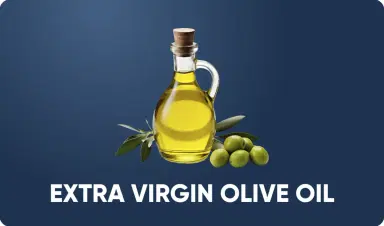
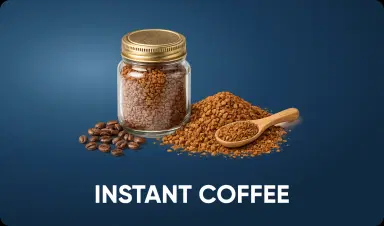
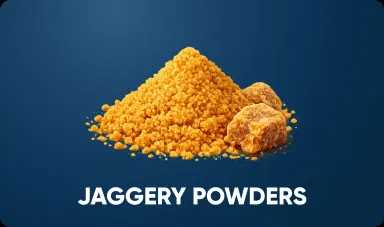
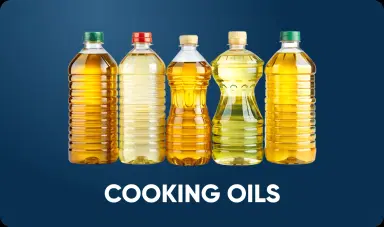
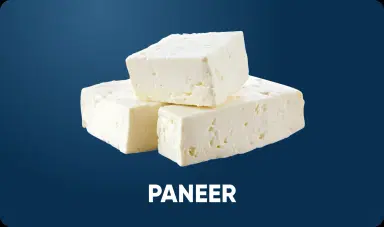
This Kitchen Essentials page brings together products across the following 12 categories: Coffee Powder, Bread, Breakfast Cereals, Extra Virgin Olive Oil, Ghee, Filter Coffee, Honey, Instant Coffee, Jaggery Powders, Virgin Coconut Oil, Cooking Oils, Paneer.
These categories are linked together here because they are commonly associated with Kitchen Essentials. Every category here may not carry the same weight of established research.
Unbox Health independently tests what is inside every product for label accuracy, safety and nutritional composition. Our lab data verifies what a product contains, while the strength of evidence for its potential health benefits may vary.
Explore More Product Ratings

Is palm oil bad for health?

It is high in saturated fat, which is why it draws criticism, and it appears in a great deal of Indian packaged food because it is cheap and stable. The more useful question is how much total saturated fat your week contains rather than whether one oil is present. Check the fat breakdown on the pack.
Is bread good for health?
Honey is sugar, and it carries roughly the same energy as sugar by weight. Swapping one for the other does not create a deficit on its own. It may suit you for taste or texture reasons, but treating it as a weight loss food is where the marketing gets ahead of the evidence. Count it as sugar.
Is honey good for weight loss?
It is an actual, recurring compliance issue. Food safety testing has repeatedly identified Ghee samples adulterated with vanaspati (hydrogenated vegetable fat) or other cheaper fats sold as pure Ghee, which is why FSSAI maintains specific adulteration tests for it. This does not mean every brand is adulterated, but it means purity should be verified rather than assumed from packaging claims like "pure" or "desi" alone.
Does coffee cause acidity?
For some people yes, and it varies more by person than by brand. Coffee stimulates stomach acid and can worsen reflux in those already prone to it. Drinking it on an empty stomach tends to make this more noticeable. If it troubles you, the amount and the timing usually matter more than switching between instant and filter.
How much coffee a day is safe?
Most healthy adults tolerate a few cups without trouble, though caffeine sensitivity varies widely and pregnancy changes the calculation. The harder part is knowing your actual intake, because caffeine per cup differs between instant, filter and a cafe pour. Packs rarely make this easy to work out from the label alone.
What does the trans fat figure on Indian packaged food actually tell you?
Less than buyers assume. FSSAI capped industrial trans fatty acids in oils and fats at two percent from January 2022, so a compliant product can still declare a small amount. A zero on the front is a claim, not a measurement you performed. Unbox Health rates these products on label accuracy, so declared and tested figures sit together.
Which kitchen staple contributes the most saturated fat to an Indian kitchen?
Ghee, coconut oil and palm oil sit at the higher end, while most seed oils sit lower. What matters is the quantity actually used, not the ranking, since a small amount of a high saturated fat product can total less than a generous pour of a lower one. ICMR-NIN's 2024 guidelines suggest four to six teaspoons of visible fat daily.
Does cooking oil or ghee go off before the best before date?
It can, because that date assumes storage conditions most Indian kitchens do not meet. Heat, light and air turn fats rancid, so a bottle kept beside the stove degrades faster than one in a cupboard. The signal is a stale, paint-like smell rather than anything printed on the pack. Buy sizes you will finish.
Is Honey safe for infants and young children?
Honey should never be given to infants under twelve months, since it can carry Clostridium botulinum spores that germinate in an infant's gut and produce toxin there, causing infant botulism. A mature gut flora prevents this, so it is safe for older children and adults in typical amounts. Anyone managing blood sugar should still treat Honey as sugar nutritionally, regardless of "natural" framing.
Do Ghee and Oil packs in India declare their fat content accurately?
Not always, and the gap is what matters once two packs look similar on the front. Declared and tested figures can diverge, and fat breakdown is harder to verify by eye than a weight or a price. Unbox Health rates these products on label accuracy, so what a brand claims and what testing is found sit side by side.

Find Unbox Health ratings useful?
Add Unbox Health as a preferred source on Google to get search results based on credible lab test data.


Popular Categories:
Protein Powders |
Omega-3 Supplements |
Multivitamins |
Plant Protein Powders |
Coffee Powder |
Dark Chocolates |
Cookies & Biscuits |
Chips & Puffs |
Bread |
Ice Cream |
Magnesium Supplements |
Collagen Supplements |
Curcumin Supplements |
Electrolytes |
The Great Indian Product Hunt - Most Voted Products |
Veg Omega-3 Supplements |
Ashwagandha Supplements |
Biotin Supplements |
Breakfast Cereals |
Extra Virgin Olive Oil |
Ghee |
Iron Supplements |
Melatonin Supplements |
Moringa Supplements |
Peanut Butters |
Prebiotics & Fiber |
Protein Bars |
Protein Milkshakes |
Shilajit Supplements |
Snack Bars |
Vitamin B12 Supplements |
Vitamin C Supplements |
Vitamin D Supplements |
Zinc Supplements |
Astaxanthin |
Sea Buckthorn Oil |
Apple Cider Vinegar |
Calcium Supplements |
Creatine Supplements |
Energy Bars |
Filter Coffee |
Fish Oil Capsules |
Glutathione Supplements |
Granola |
Honey |
Hyaluronic Acid Supplements |
Instant Coffee |
Jaggery Powders |
Magnesium Glycinate |
Marine Collagen |
Muesli |
Pea Protein Powders |
Protein Bread |
Protein Chips |
Protein Oats |
Protein Wafers |
Vegan Collagen |
Virgin Coconut Oil |
Vitamin B9 Supplements |
Vitamin D3+K2 |
Vitamin K2 Supplements |
Whey Protein Powders |
Whole Wheat Bread |
Yeast Protein Powders |
Chondroitin Supplements |
Glucosamine Supplements |
Milk Thistle Supplements |
MSM Supplements |
Selenium Supplements |
Cooking Oils |
Idli & Dosa Batters |
Instant Noodles |
Paneer |
Kids Nutrition Drinks |
Berberine Supplements |
CoQ10 Supplements |
Vitamin A Supplements |
Vitamin E Supplements
Popular Brands:
Ace Blend |
As-It-Is Nutrition |
Blubein |
Blue Tokai Coffee Roasters |
Carbamide Forte |
Cosmix |
Minus Thirty |
Naturaltein |
Neulife |
Nutrabay |
OZiva |
The Whole Truth |
Unived |
Wellbeing Nutrition |
Centrum |
Gytree |
HealthifyMe |
iThrive |
Lay's |
Man Matters |
Miduty |
NutriJa |
Origin Nutrition |
Phab |
The Good Bug |
TSA Tekk |
Akshayakalpa Organic |
Epigamia |
HealthKart |
Optimum Nutrition |
Swisse |
FAST&UP |
Amway |
Boldfit |
Herbalife Nutrition |
Mojo Bar |
MuscleBlaze |
Muscle Nectar |
MYFITNESS |
Nutrela |
Pintola |
RiteBite Max Protein |
True Elements |
Unibic |
WOW Life Science |
Gentle Beast |
Yogabar |
Aashirvaad |
Albae |
Allbeing |
Alpino |
Ambrosial |
Amocare |
Amul |
Anveshan |
Apis |
Arth by Emcure |
Artinci |
Avvatar |
Bagrry's |
Baskin Robbins |
BBETTER |
Beast Life |
Bevzilla |
Beyond Snack |
Bigmuscles Nutrition |
Biotrex Nutraceuticals |
Body First |
Bold Care |
Borges |
BRITANNIA |
Cadbury |
Cipla |
Conscious Food |
Continental Malgudi |
Country Delight |
Dabur |
Dadev |
Dame Health |
Decode Age |
Del Monte |
Disano |
Doctors Choice |
Dr. Morepen |
Dr. Vaidya's |
Electral |
ElectroFizz |
End2End Nutrition |
Enerza |
English Oven |
Figaro |
Fitzzi |
Folius Labs |
Foodstrong |
Galaxy |
Genone |
Get A Way |
GNC |
GOAT Life |
Gowardhan |
Go Zero |
Grandeur |
Gritzo |
Haleup |
Happilo |
Health Aid |
Health Veda Organics |
HealthVit |
HealthyHey Nutrition |
Herbal max |
Himalaya |
Himalayan Organics |
HK Vitals |
Hohner |
HYP |
iD Fresh Food |
INJA |
Inlife |
Isopure |
Jivo |
Kapiva |
Kellogg's |
KIKIBIX |
Kwality Wall's |
La Nature's |
Lavazza |
Levista |
Lindt |
Liquid I.V. |
Little Joys |
Maggi |
Maiva |
McVities |
Milky Mist |
Mille |
Modern |
Monsoon Harvest |
Mother Dairy |
Mypro Sport Nutrition |
Nakpro Nutrition |
Nature Made |
Nature's Velvet |
Nature Valley |
Naturyz |
Nescafe |
Nestle |
Neuherbs |
Neuwganic |
NOA - Nature's Own Alchemy |
Noto |
Now Foods |
Nutrabud |
Nutrazee |
Nutriburst |
NUTRI HERBS |
NutriJet |
NutriQuint |
Nutrova |
nveda |
Open Secret |
Organic India |
Organic Tattva |
Origins Nutra |
ORSL |
OSOAA |
Parle |
Patanjali |
PAUL AND MIKE |
Plantigo |
Plix |
Pro360 |
Protein Chef |
Pure Botanics |
Pure Nutrition |
Quaker |
Rasayanam |
RAW PRESSERY |
Revital H |
Saffola |
Setu |
Sharrets |
Siens by Dabur |
Simply Herbal |
Sleepy Owl |
Slurrp Farm |
Snackible |
Solimo |
Soothys |
Sparkfusion |
Sundrop |
Sunfeast Farmlite |
Sunfeast Yippee |
Superyou |
Taali |
TATA 1MG |
Tata Simply Better |
Tata Soulfull |
The Butternut Co. |
The Health Factory |
Thorne |
Too Yumm |
Trexgenics |
TrueBasics |
TruNativ |
Two Brothers Organic Farms |
UPAKARMA |
Vedic Ghee |
VIEROOTS |
VitaOne |
Vito Daily |
VS MANI & CO. |
Weoliv |
Zama |
Zandu |
Zaveda |
Zenith Nutrition |
ZEROHARM |
Zingavita
Popular Comparisons:
Ace Blend vs FAST&UP |
Gowardhan vs Amul |
Ace Blend Plant Protein vs Cosmix |
Nutrabay vs Gentle Beast |
Neulife vs Ace Blend |
Revital H vs Centrum |
Carbamide Forte vs FAST&UP |
Carbamide Forte vs Inlife |
iThrive vs Swisse |
Naturaltein vs Allbeing |
Neulife vs Cosmix |
Phab vs Epigamia |
Sparkfusion vs Dame Health |
Blue Tokai Coffee Roasters vs Sleepy Owl |
Nescafe vs VS MANI & CO |
Britannia vs Britannia |
Cadbury vs The Whole Truth |
Open Secret vs Artinci |
Dabur vs Dr. Vaidya's |
Gytree vs La Nature's
Popular Collections:
High Protein Foods & Supplements |
Daily Vitamins & Minerals |
Trending Supplements |
Fitness & Performance Nutrition |
Snacks & Treats |
Ayurvedic & Herbal |
Kitchen Essentials |
Men's Health |
Plant-Based & Vegan |
Women's Health |
Strength Training |
Kids Nutrition |
Endurance |
Seniors' Health |
Pregnancy |
Muscle Gain |
Hair Health |
Gut Health |
Bone & Joint |
Weight Gain |
Skin Health |
Weight Loss |
Immunity |
Sleep |
Energy & Fatigue |
Brain Health |
Stress & Anxiety |
Menopause |
Anti-Ageing |
Sugar-Free |
General Wellness |
Lactose-Free |
Natural Sweeteners |
Probiotics & Prebiotics |
Cold-Pressed & Unrefined Oils
